Our guide to measuring windows is user-friendly and does not require any special skills. Simply follow our straightforward steps!
You only require a tape measure, step ladder, and pen and paper. No other tools are needed.
We'll help you choose between inside the frame, outside the frame and frameless options.
Our blinds can be fitted to most surfaces. Check whether you need extra fixings in our installation guide.
Motorized blinds offer a convenient solution that is safe for children and provides easy access for the effortless control of your window treatments.
Receive free samples to discover our diverse fabric selection, with shipping provided at no additional charge.
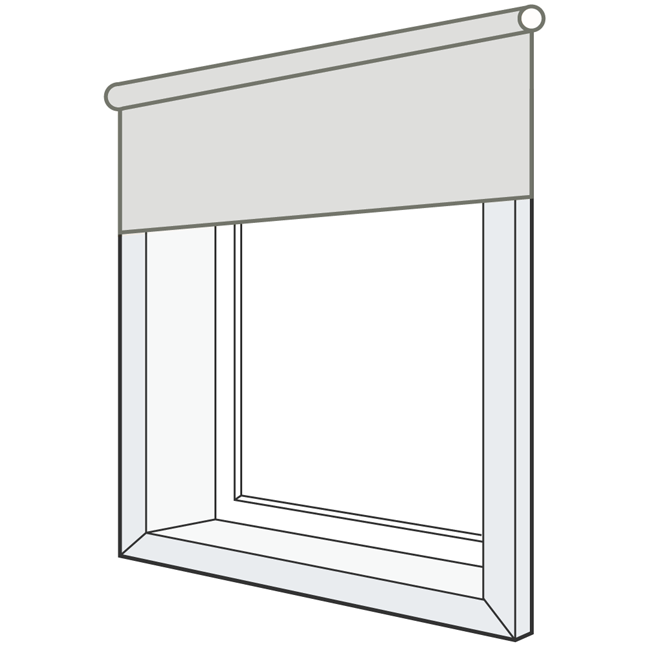
These blinds are installed outside the window frame, secured to the frame and facing inward. Such a setup is optimal for bedrooms, offering excellent light-blocking capabilities. Back-rolling blinds are well-suited for this type of installation. For a neat and stylish finish, the use of a bracket cover is advised.
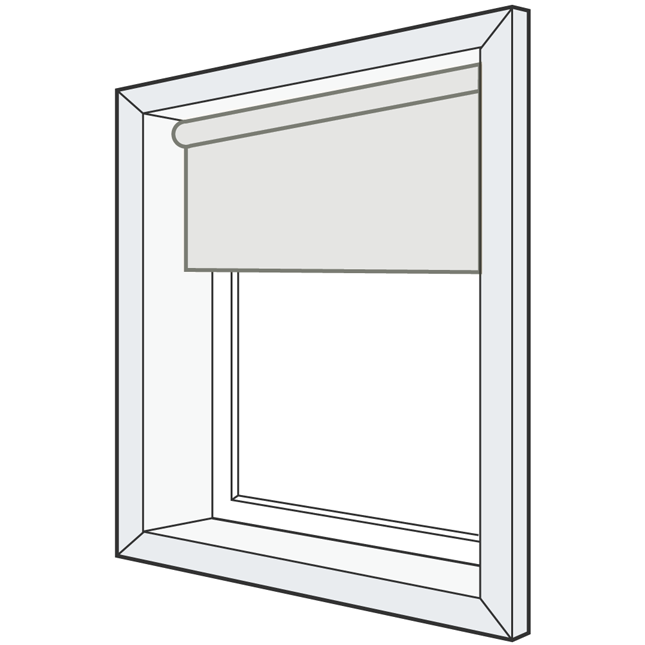
These blinds are mounted within the window frame and securely attached to it. They are ideal for living spaces, especially when choosing light-filtering or sheer blinds that let in natural light. It's crucial to take into account any obstructions when choosing between front or back roll blinds. This installation method provides a modern and sleek look.
To ensure accurate sizing of your custom blind, follow these steps:
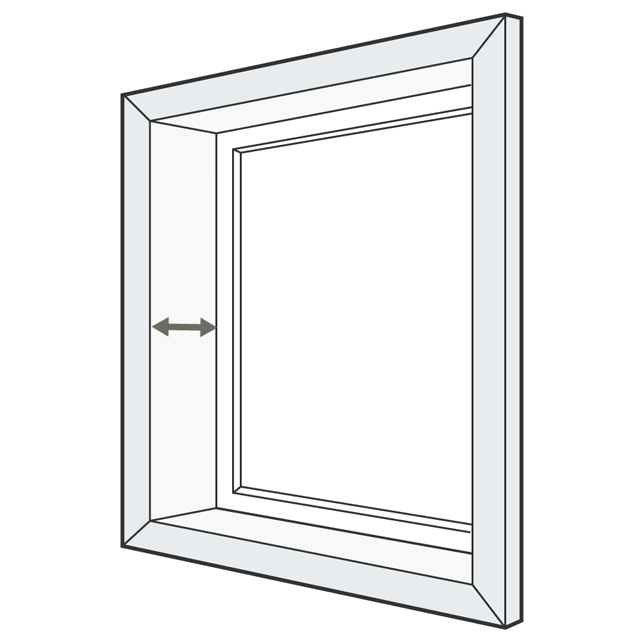
When installing blinds within the window frame, it is crucial to maintain a minimum clearance of 60 mm between the window glass and the frame's edge. This should be taken into account when assessing the window's depth.
Remember to record your measurements as you proceed.
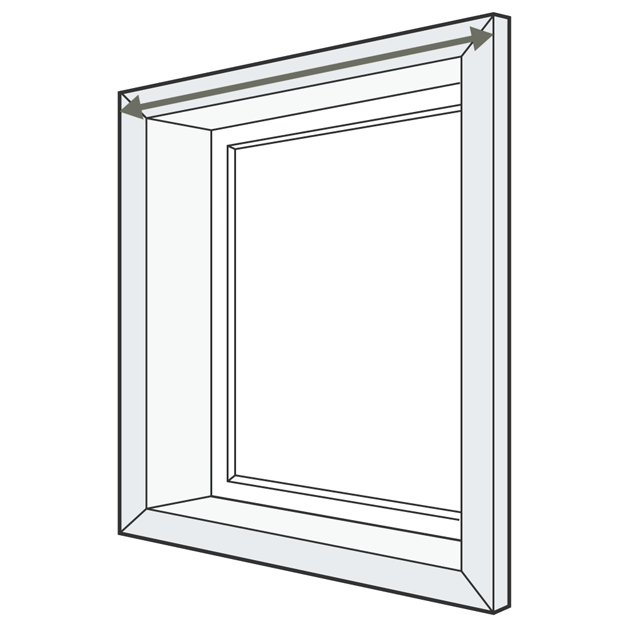
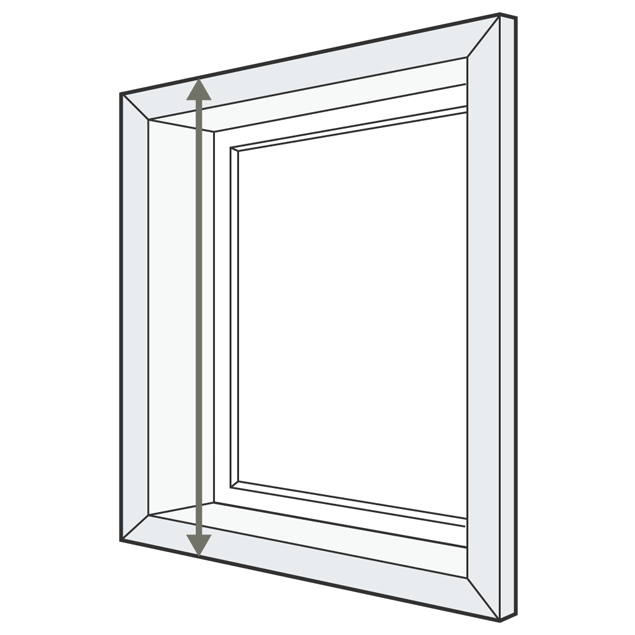
To measure for exterior casing blinds, start from the top of the window frame and extend to your chosen endpoint. This could be level with the window sill, above the floor, or in line with other blinds in the room.
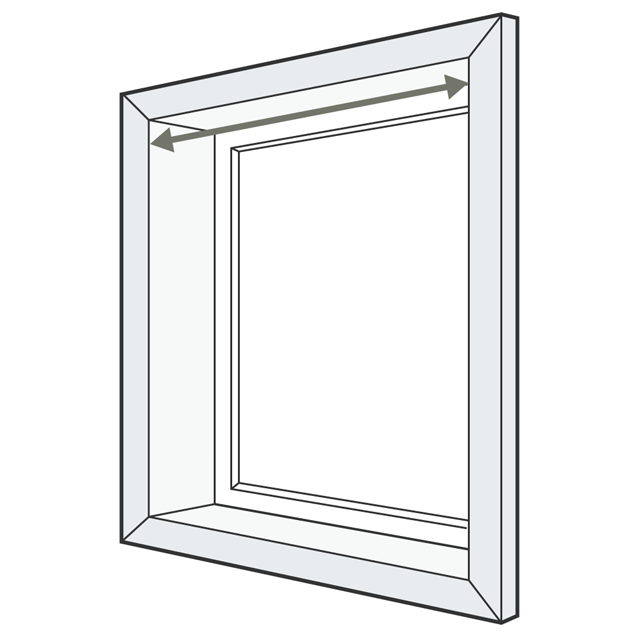
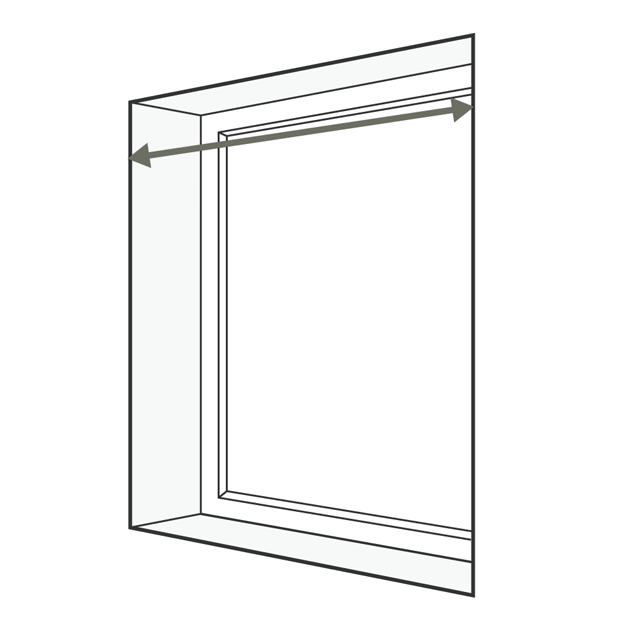
To measure for inside casing blinds, take precise measurements of the window frame's interior dimensions.
Decide on the positioning of the chain on the window, taking into account the layout of the room and its accessibility.
| Blind drop | Chain size |
|---|---|
| 200–800 mm | 500 mm |
| 801–1200 mm | 750 mm |
| 1201–1500 mm | 1000 mm |
| 1501–1700 mm | 1250 mm |
| 1701–2200 mm | 1500 mm |
| 2201–2700 mm | 1750 mm |
| 2701–3000 mm | 2000 mm |
| 3001–3500 mm | 2500 mm |
| 3501–5000 mm | 3000 mm |
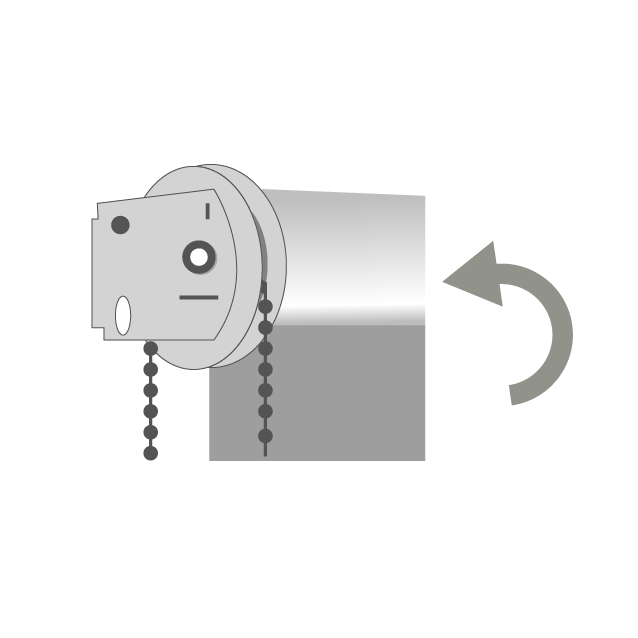
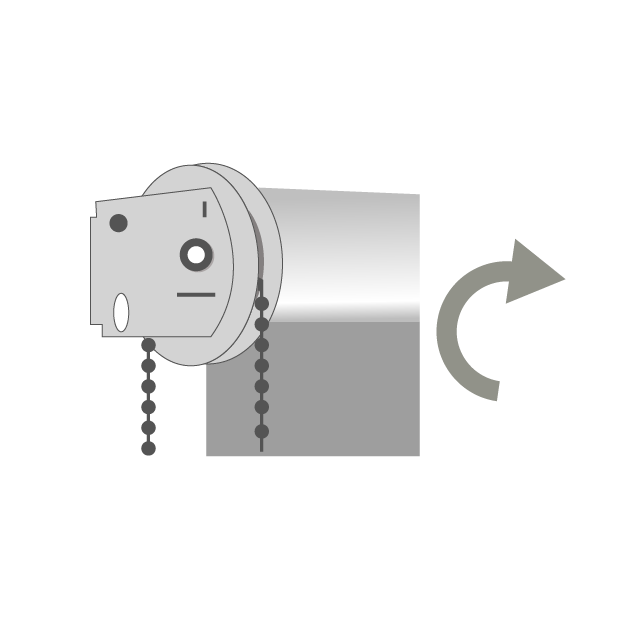
Determine the direction in which you prefer the blind to roll.
Upgrading to a motorized roller blind can enhance the aesthetic appeal and functionality of your window treatments.
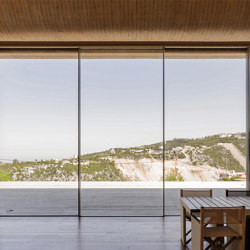
Install the blinds on the exterior of the window frame, making sure they are firmly fixed to the wall to efficiently prevent excess light from entering. Opt for back-rolling blinds for improved functionality and think about incorporating a bracket cover for an elegant touch.
To measure a window, record the total width of the frame from one side to the other on the exterior. For frameless windows that need an outside casing installed.
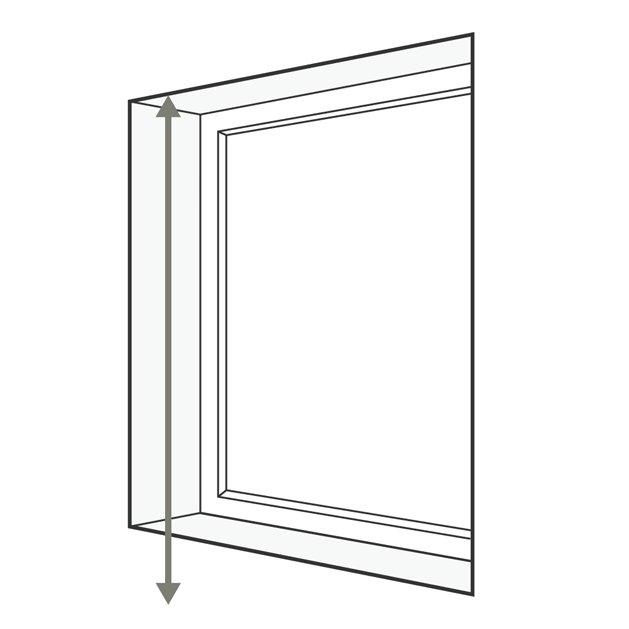
Start by measuring from the top of the window frame down to your desired length for the blind. The length can vary; you might choose to have it reach the window sill, stop just above the floor, or align with the height of other blinds in the room. The choice is yours!
When sizing a frameless window, excluding the outer casing.